
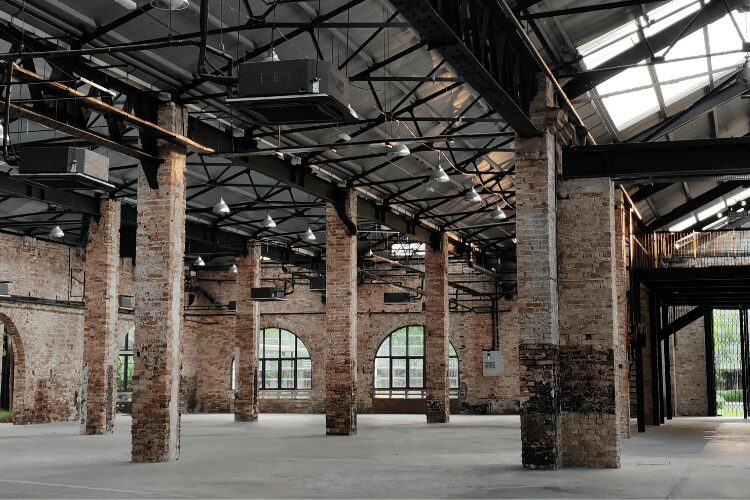

What is Adaptive Reuse in Architecture?
Adaptive reuse is a sustainable architecture approach that aims to preserve the use of resources in the construction of new buildings. The approach is designed to minimise demolition work on existing buildings, focusing on adapting the existing structure for new purpose through architectural design.
Adaptive reuse is not a new practice. While the approach has been formally used in building projects since the 1970s, the act of reusing an old building for new purposes has been recorded since ancient times, such as the conversion of the Roman Church of Santa Sofia in Istanbul into a Mosque, or more recently, the transformation of an old power station into the Tate Museum of London. In response to global sustainability issues in the 21st century, there has been a resurgence in the inclusion of adaptive reuse for sustainable development – both in Australia and across the globe.
How Adaptive Reuse Contributes to Sustainability
The building and construction industry is a major contributor to greenhouse gas emissions. The extraction and processing of materials such as steel, aluminium, concrete, and glass comes with a high carbon cost that adds up over the stages of mining, transportation, fabrication, and installation.
In 2023, Infrastructure Australia reported that embodied carbon from building activity contributed one-tenth of national carbon emissions. Embodied carbon accounts for the portion of emissions that is locked into the production and use of materials that make up a building.
The issue with embodied carbon is that once the material is made, its environmental costs are permanently affixed to the building and its structure. This is in contrast to carbon emissions from building operations, which technology like solar, smart HVAC systems, or improved insulation can help to reduce.
Adaptive reuse has gained renewed interest because it allows existing embodied carbon to stay in circulation. By minimising demolition and reusing the existing structure of buildings, new projects can avoid generating new embodied carbon emissions.
The Benefits of Adaptive Reuse and Sustainable Architecture
Resource preservation
Adaptive reuse helps in the preservation of natural resources. Raw materials are finite, and those building for the future must consider how future generations can make use of what has already been built.
Retaining as much of a building’s materials and elements relieves pressure on the demand and supply of raw materials.
Waste reduction
The demolition phase of a traditional development cycle leaves a large volume of waste. Concrete, plasterboard, insulation and metals can end up in landfill, while other materials, such as treated timber, require careful disposal to avoid environmental contamination.
Instead of simply disposing of building material that still has value, building with an adaptive reuse approach prevents a cycle of churn for waste materials and emissions.
Lower carbon emissions
Embodied carbon is forecasted to overtake operational carbon in the next few years – a Green Building Council of Australia (GBCA) report in 2021 estimated that embodied carbon will make up 85% of Australia’s built environment emissions by 2050.
Adaptive reuse can work against this expected rise in embodied carbon by reducing the need for new building materials.
According to a March 2024 report by Slattery, retaining the structure and envelope of an existing commercial office building can save between 300 and 500 kilograms of greenhouse gas emissions per square metre of gross floor area.
Historical preservation
Adaptive reuse breathes new life into old spaces, giving them a renewed purpose while preserving the architectural, historical and cultural value of the previous building. This contributes to a richer built environment that provides lasting value for future generations.
Adaptive Reuse and Australia’s Approach to Sustainable Building
Australia has been strengthening policy and regulation to reduce carbon emissions in the built environment.
In NSW, the State Environmental Planning Policy (Sustainable Buildings) 2022 (Sustainable Buildings SEPP) was made in August 2022 and is effective from 1 October 2023.
The Sustainable Buildings SEPP encourages the design and construction of increasingly sustainable buildings across NSW. Adaptive reuse fits into this policy as it supports waste reduction, extending the life of buildings, and has lower upfront emissions than tearing down and rebuilding.
Some of the biggest changes from the Sustainable Buildings SEPP include the expectation for large commercial and state-significant developments to operate from 100% renewable energy by 2035.
Large commercial refurbishments with an estimated development cost (EDC) of $10 million or more will need to meet new energy and water standards, and net zero requirements if they are in the prescribed categories of offices with a net lettable area of at least 1,000m2 and hotel, motel or serviced apartments (with at least 100 rooms/apartments).
This rule also applies to refurbishments of heritage buildings that have an EDC of $10 million or more.
Partner with Crush Architecture for Adaptive Reuse Project
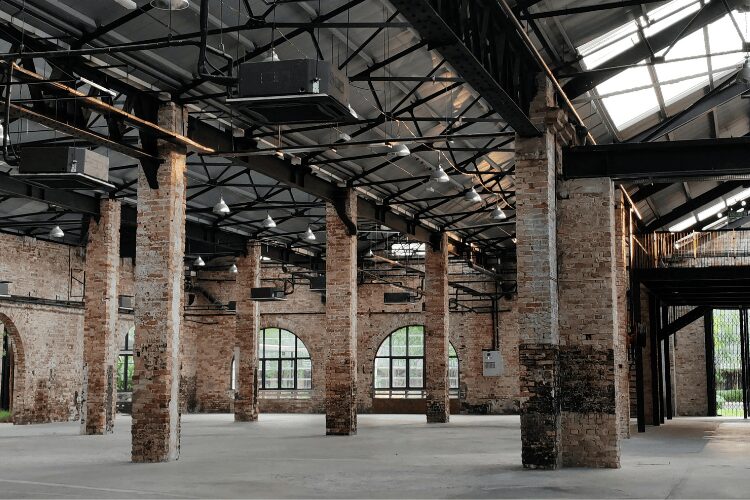
As an award-winning architectural firm in Sydney, sustainability is at the heart of the Crush approach. We work across residential, commercial, and council projects, specialising in delivering environmentally seamless designs for heritage properties.
Led by our founder Carlo Russo, a leading voice in the architectural space who also teaches architecture at UNSW’s Design Studio, we have the expertise and passion to reshape heritage buildings into modern spaces for life and work. Get in touch with our team today to book a consultation.
January 28, 2026
Created to help you clarify what matters most in your heritage home before making decisions that can’t be undone.
A calm guide to understanding your options and how to begin, with care.
Receive the Heritage Home Design Workbook
The Design
Workbook for
Heritage Homes
the free guide
DOWNLOAD HERE